FIT - Introduction to Advertising and Marketing Communications

Coursework Reflection
Professor Thomas Eley
Introduction
In addition to my regular academic coursework, I completed a semester-long course at the Fashion Institute of Technology titled Introduction to Advertising and Marketing Communications.
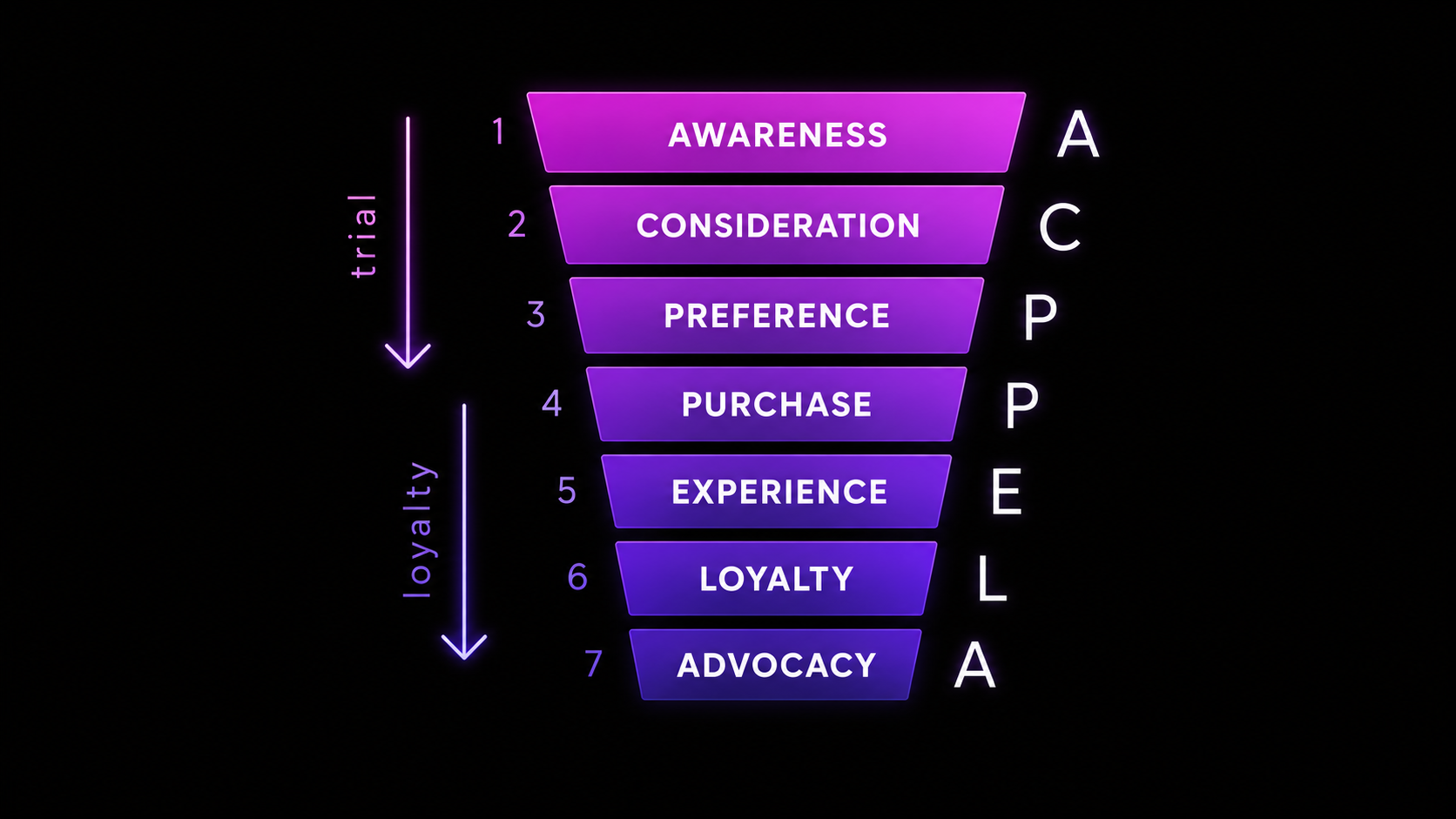
The most important outcome of this course was learning how to build a complete marketing campaign. Rather than treating advertising as a single output, the course framed it as a coordinated system made up of strategy, research, creative decisions, media planning, and measurement.
I learned how different components such as advertising formats, data analysis, targeting, and messaging work together to guide a consumer from awareness to action. The course emphasized that a strong campaign is not defined by one idea, but by how well all of its parts align and perform together.
Three Lessons in Marketing Strategy
Understanding Advertising Channels and Their Roles
A core part of building a campaign is understanding where and how messages are delivered. The course focused on different types of advertising, particularly out of home and digital channels, and how each operates under different conditions.
Out of home advertising reaches people in public spaces while they are moving, waiting, or passing through environments. It is often unavoidable, which makes it powerful for awareness. At the same time, it comes with strict creative constraints. Messages must be extremely simple, visually strong, and immediately legible. There is no time for complexity, so clarity becomes the priority.
Digital advertising operates differently. It includes search, display, social media, and other interactive formats where users can click, scroll, and engage. These channels are more flexible and allow for deeper interaction, but they are also more competitive. Visibility depends on positioning, relevance, and timing.
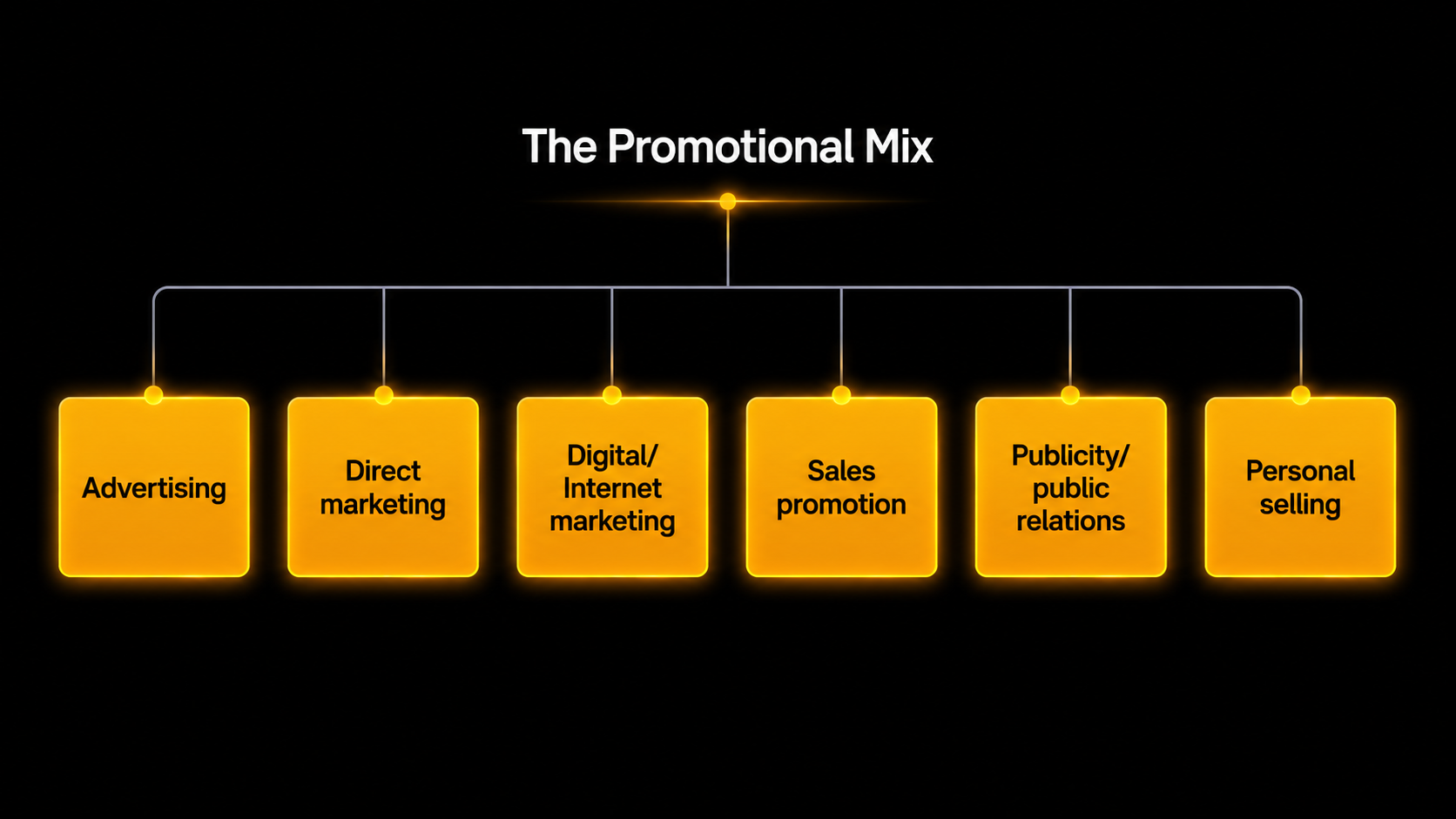
One of the most important distinctions I learned is that different channels serve different purposes. Some are better for visibility and recognition, while others are designed to drive action. Choosing the right mix is a strategic decision that shapes the entire campaign.
Targeting, Data, and Personalization
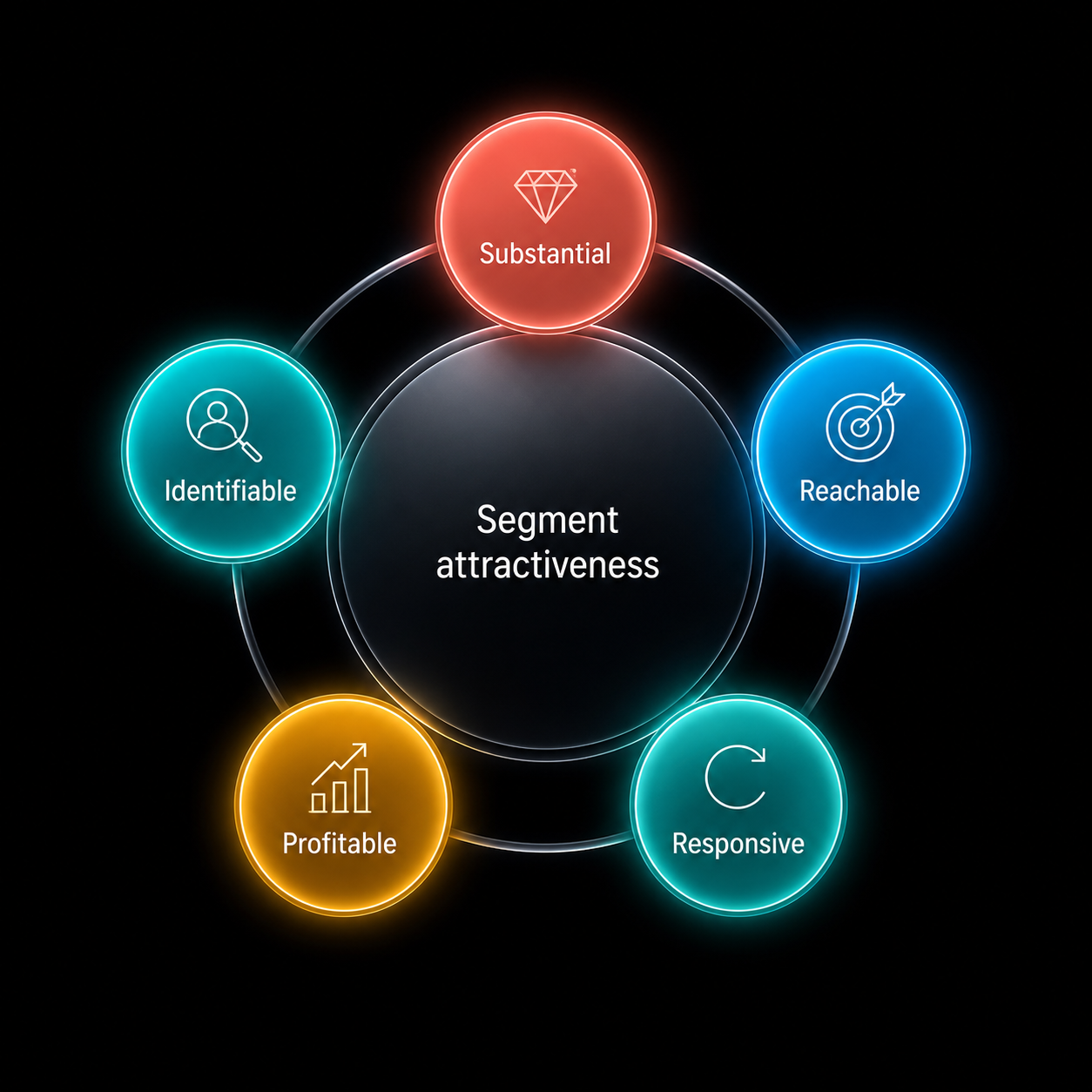
Another key lesson was how campaigns are built around specific audiences. Marketing is not about reaching everyone, but about identifying and targeting the right people with the right message.
This process relies heavily on data. Information about user behavior, search history, and interests is used to determine who sees an ad and when. In digital environments, this targeting happens almost instantly through automated systems that place ads in real time.
I learned how personalization works at multiple levels. Ads can be tailored based on past behavior, the content someone is currently viewing, or broader demographic patterns. This explains why ads often feel highly specific rather than random.
At the same time, the course addressed the limitations and concerns around this approach. Tracking systems such as cookies enable precision, but they also raise privacy issues and are becoming more restricted. This creates a shifting landscape where marketers must adapt their strategies while still maintaining relevance.
The key takeaway is that better data leads to better targeting, but it also requires careful interpretation and responsible use.
Strategy, Measurement, and Direct Response
The final major lesson focused on how campaigns are structured and evaluated. A strong marketing campaign connects research, strategy, and execution in a clear sequence.
Campaigns begin with research, using existing data and, when necessary, new data collection to understand the market and define the problem. This informs strategy, which determines objectives, positioning, and messaging. Execution then brings this strategy to life through specific media choices and creative outputs.
A major distinction introduced in the course is between branding and direct marketing. Branding focuses on awareness and long-term perception. Direct marketing focuses on action, encouraging the consumer to click, sign up, or make a purchase.
To support this, we learned a framework for analyzing and building ads that includes defining the target, clarifying the benefit, providing support or proof, establishing brand character, and creating a clear call to action supported by an offer. These elements ensure that communication is not only clear but also persuasive.
Measurement is central to this process. Metrics such as impressions, clicks, and conversions are used to evaluate performance. However, the course emphasized that these metrics are not always straightforward. An impression does not guarantee attention, and clicks do not always lead to meaningful outcomes.
This led to one of the most important principles from the course: do not assume that data is inherently accurate. It must be questioned, tested, and understood in context.

Conclusion
This course changed how I think about marketing by showing that it is a structured and interconnected system rather than a collection of isolated techniques. Building a campaign requires understanding media, defining an audience, crafting a message, and measuring results in a continuous loop.
What stands out most is the relationship between creativity and structure. Creative ideas are essential, but they only succeed when supported by strategy, data, and execution.
Through this experience, I developed a clearer understanding of how marketing operates as both a creative and analytical discipline, and how its methods can be applied to shape communication, influence behavior, and produce measurable outcomes.
Finally, I would like to thank Professor Eley.
There were times when the course conflicted with other internships, such as when I had to return to Japan for another extra curricular opportunity.
Despite that, Professor Eley always responded with such kindness and care through your emails and phone calls, and was very accommodating to my busy schedule, and for that I am deeply grateful. To have been able to study in an environment where I could feel such warmth and understanding from my professor has been a truly irreplaceable experience.
Professor, thank you sincerely for everything.