Teaching Japanese Culture at Starchild Terakoya in the East Village
This year, I had the opportunity to volunteer as an instructor at Starchild Terakoya, a Japanese supplementary school located in the East Village of New York City. Terakoya, which translates loosely to "temple school," is a traditional Japanese term for a community learning space, and Starchild Terakoya carries that spirit forward by giving Japanese kids and Japanese heritage students in New York a place to connect with their language and culture outside of their regular school week. Volunteering here gave me the chance to actively teach and share my culture to the next generation.
Designing a Lesson on Geiko Culture
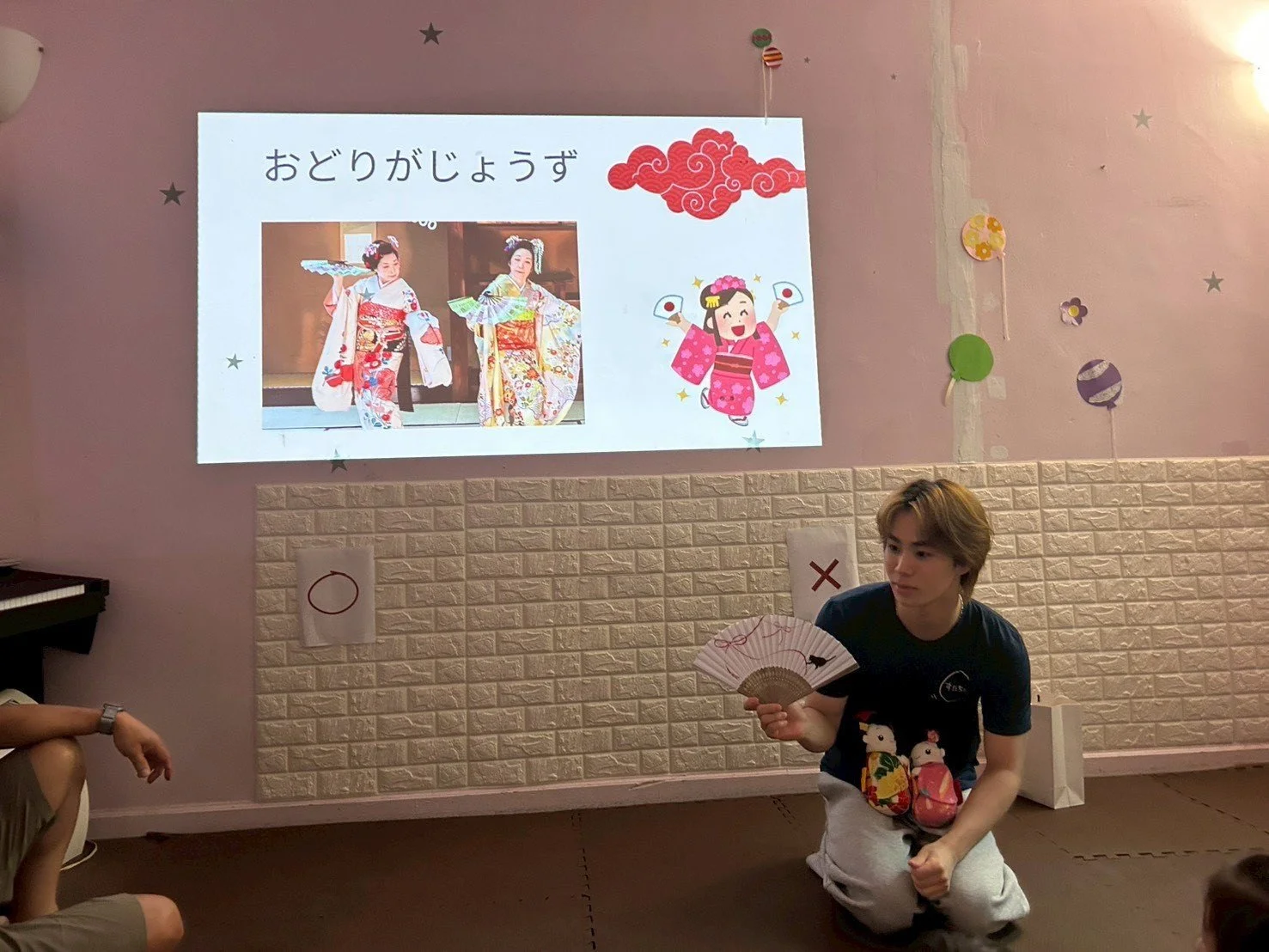
For my session, I put together a lesson introducing the children to geiko-san, the Kyoto term for what is more widely known outside of Japan as a geisha. I wanted the kids to understand geiko not as a costume or a stereotype, but as skilled, respected performers of traditional arts. I built the lesson around simple, repeatable Japanese phrases so that even the youngest students could follow along: geiko-san, kirei na hito ("a beautiful person"), odori ga jouzu ("good at dance"), and oshare ga suki ("loves fashion"). Each phrase was paired with real photographs of geiko in Kyoto, so the students could connect the vocabulary to something authentic rather than an illustration alone.
Getting Everyone Up and Moving
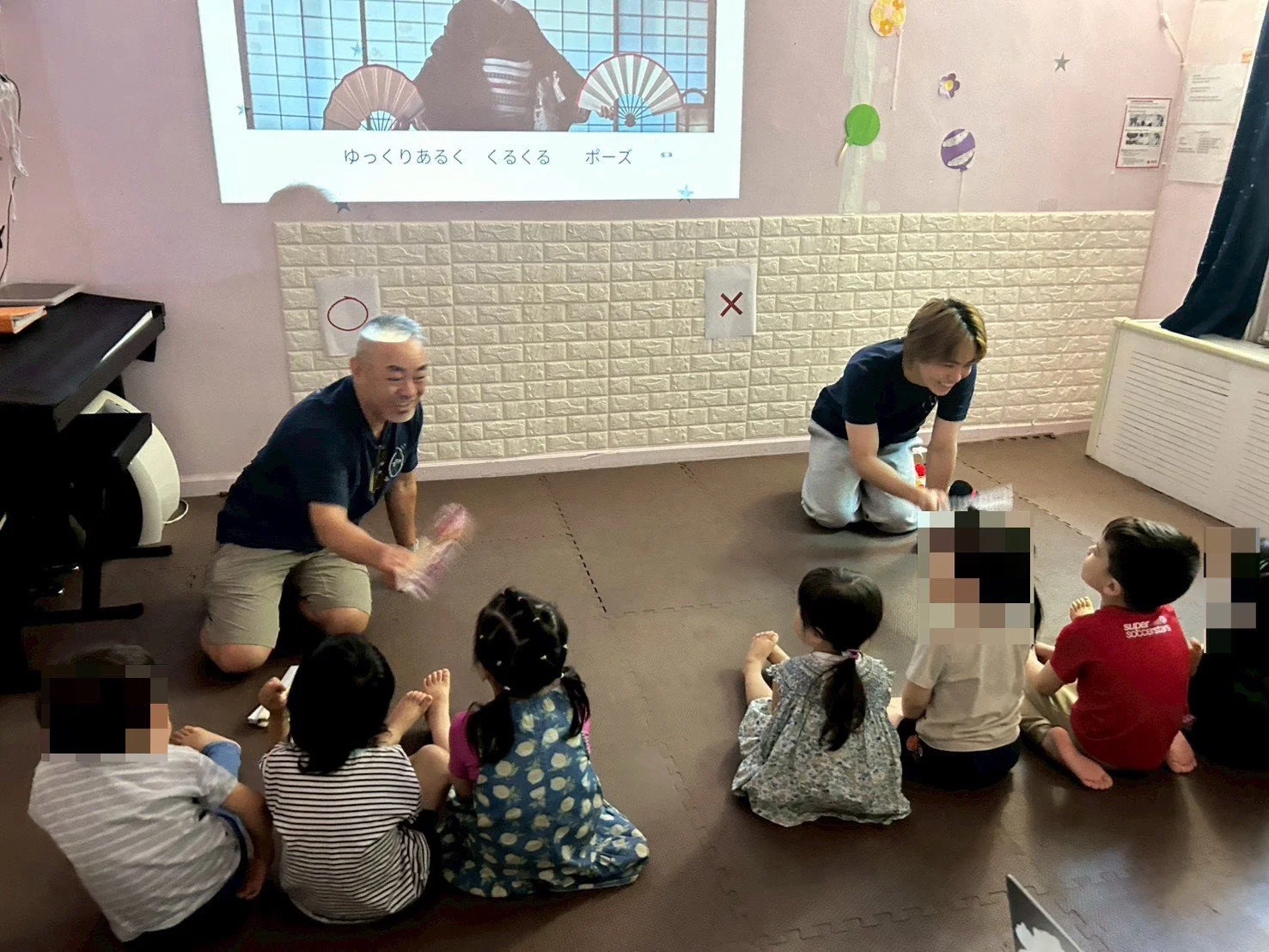
Sitting still and listening only goes so far with a room of young learners, so I turned part of the lesson into a movement activity. Using a short video clip of a geiko performing a traditional fan dance, I taught the class three simple actions to imitate: yukkuri aruku (walk slowly), kurukuru (spin around), and poozu (strike a pose). The kids loved becoming geiko-san, walking around the room with their new fans.
Wrapping Up with a Guessing Game
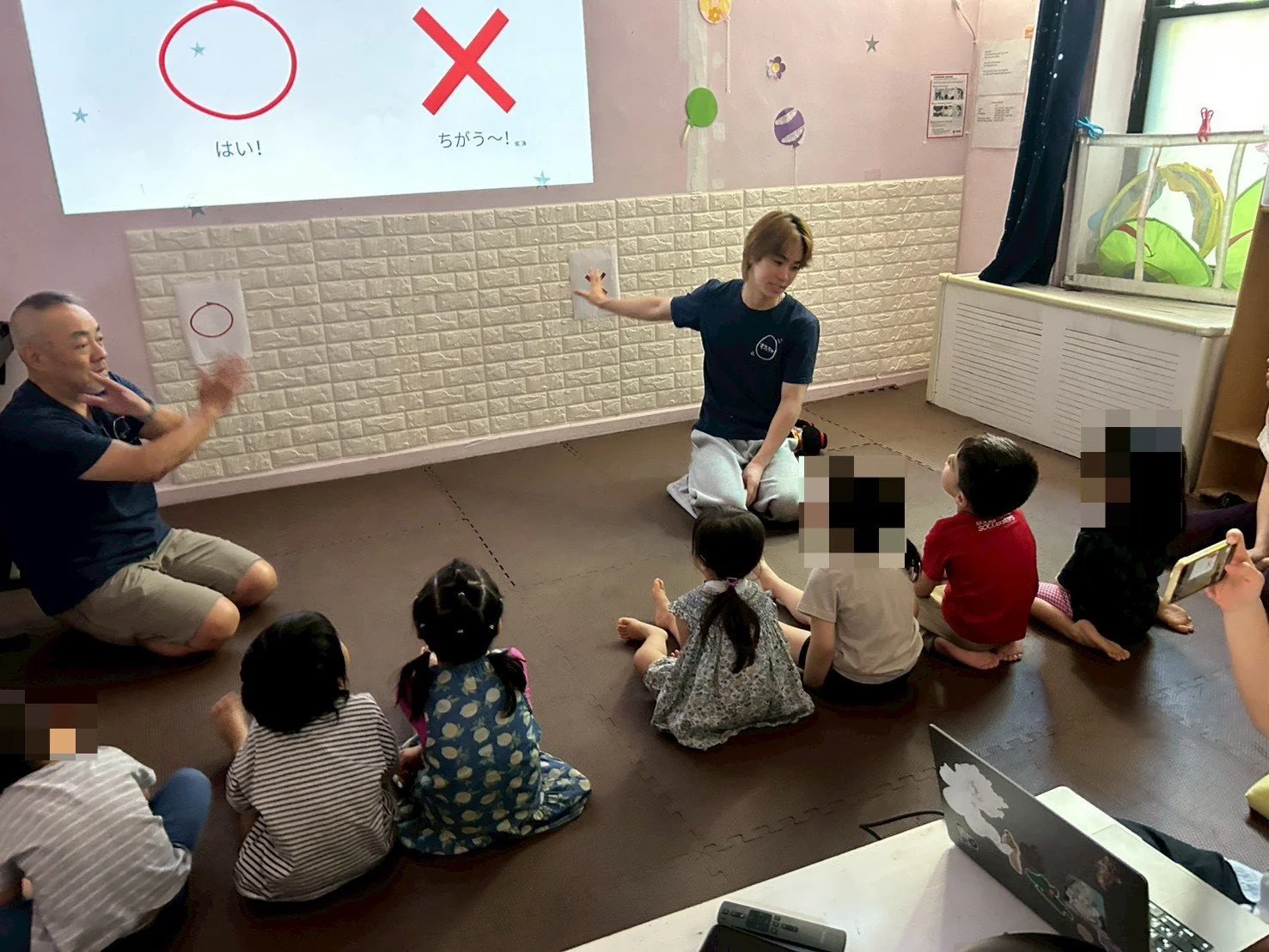
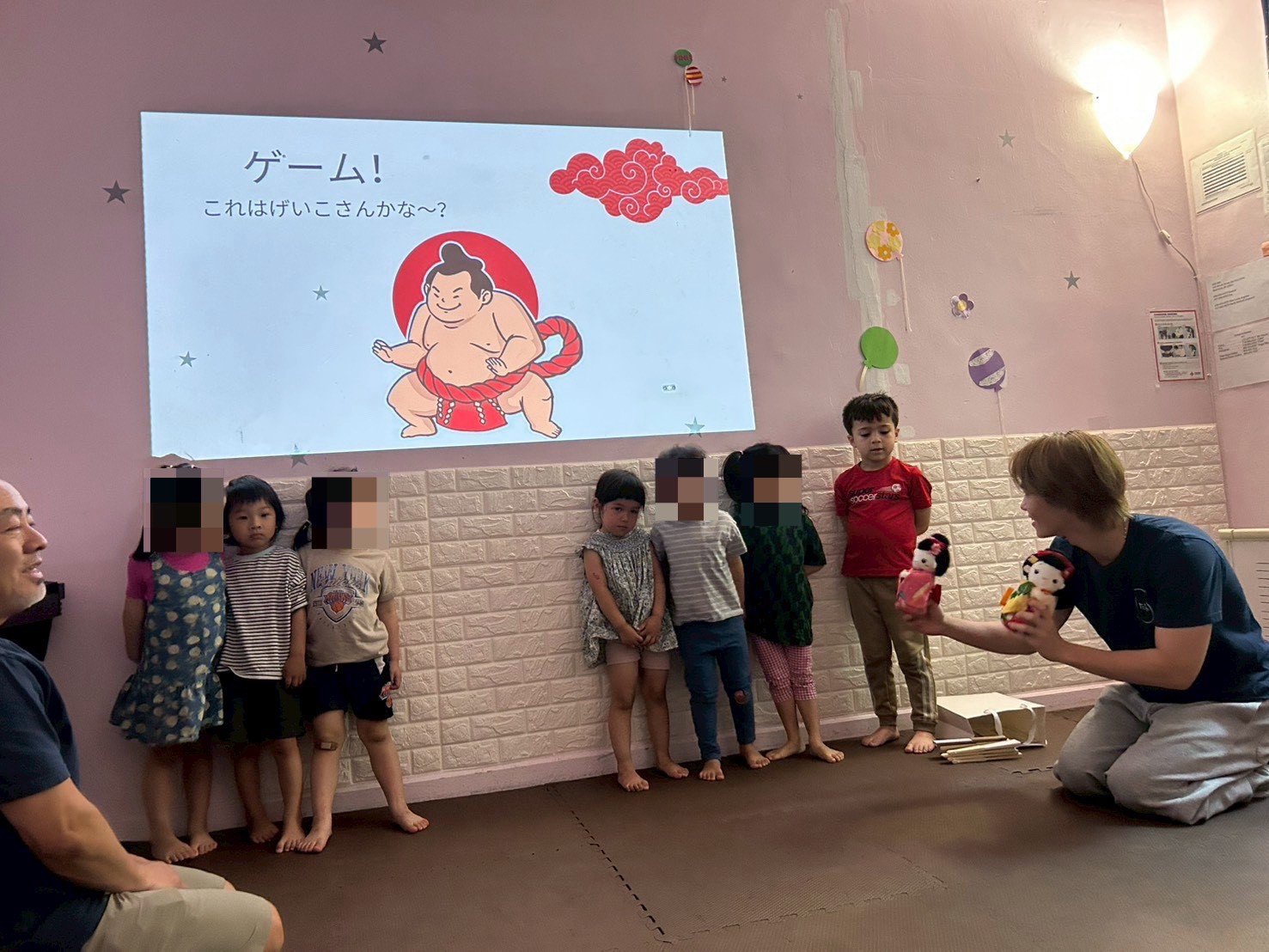
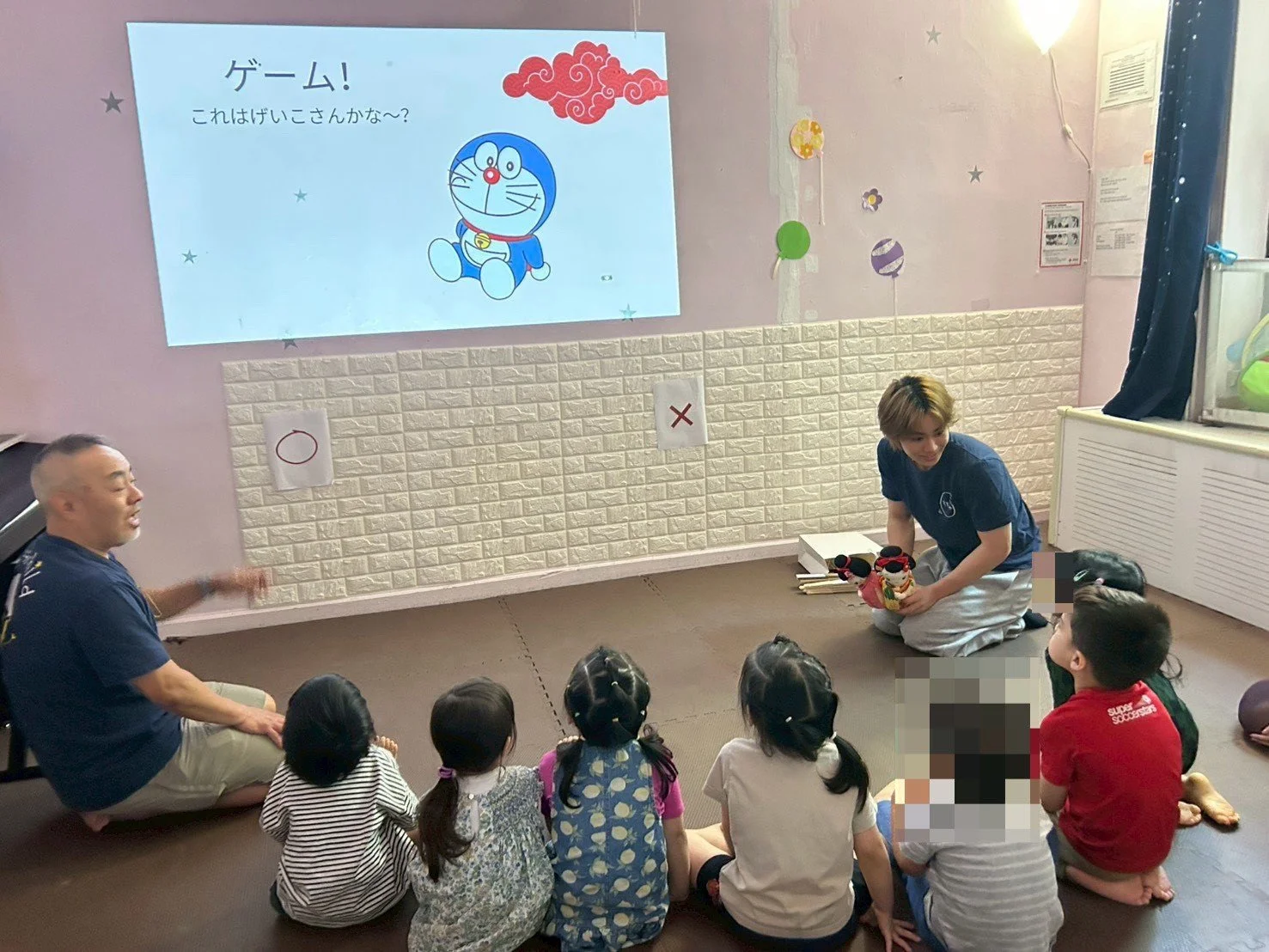
To check understanding at the end of the lesson, I ran a quick game where I showed a series of images, some of geiko, and some intentional decoys like a sumo wrestler, Doraemon, and baseball player Shohei Ohtani, and asked the class to decide whether each one was a geiko-san. It was a simple format, but it showed how humor and fun could help reinforce learning.
What I Took Away From It
Preparing and teaching this lesson pushed me to think carefully about how to explain a specific piece of Japanese culture to an audience much younger than myself, in a way that was accurate but still fun and easy to follow. I had to break down something I understood intuitively, having grown up in Japan, into small, clear steps that a room of energetic kids could actually absorb. Volunteering at Starchild Terakoya reminded me how much I enjoy sharing Japanese culture with others, and it gave me a new appreciation for the work that goes into good teaching, especially when the goal is to make learning feel like play.