Interviewing Japanese Idols: Beauty, Performance, and Identity
As part of my independent research project on the Japanese beauty industry, I wanted to understand how ideas of beauty, identity, and self-expression appear in contemporary Japanese culture. I became especially interested in idol culture because idols combine many different forms of visual and artistic expression: costumes, makeup, choreography, music, performance, and interaction with fans.
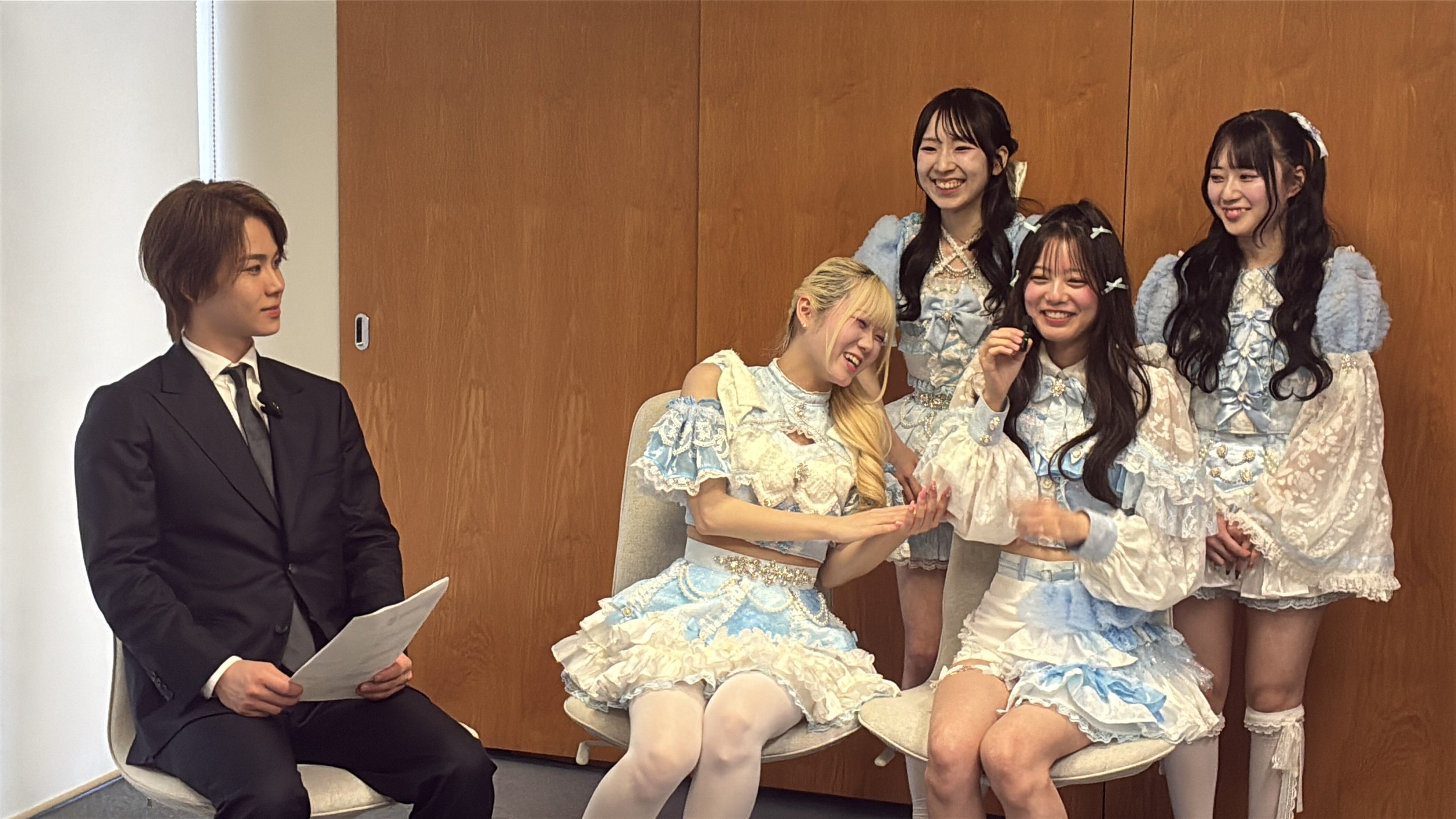
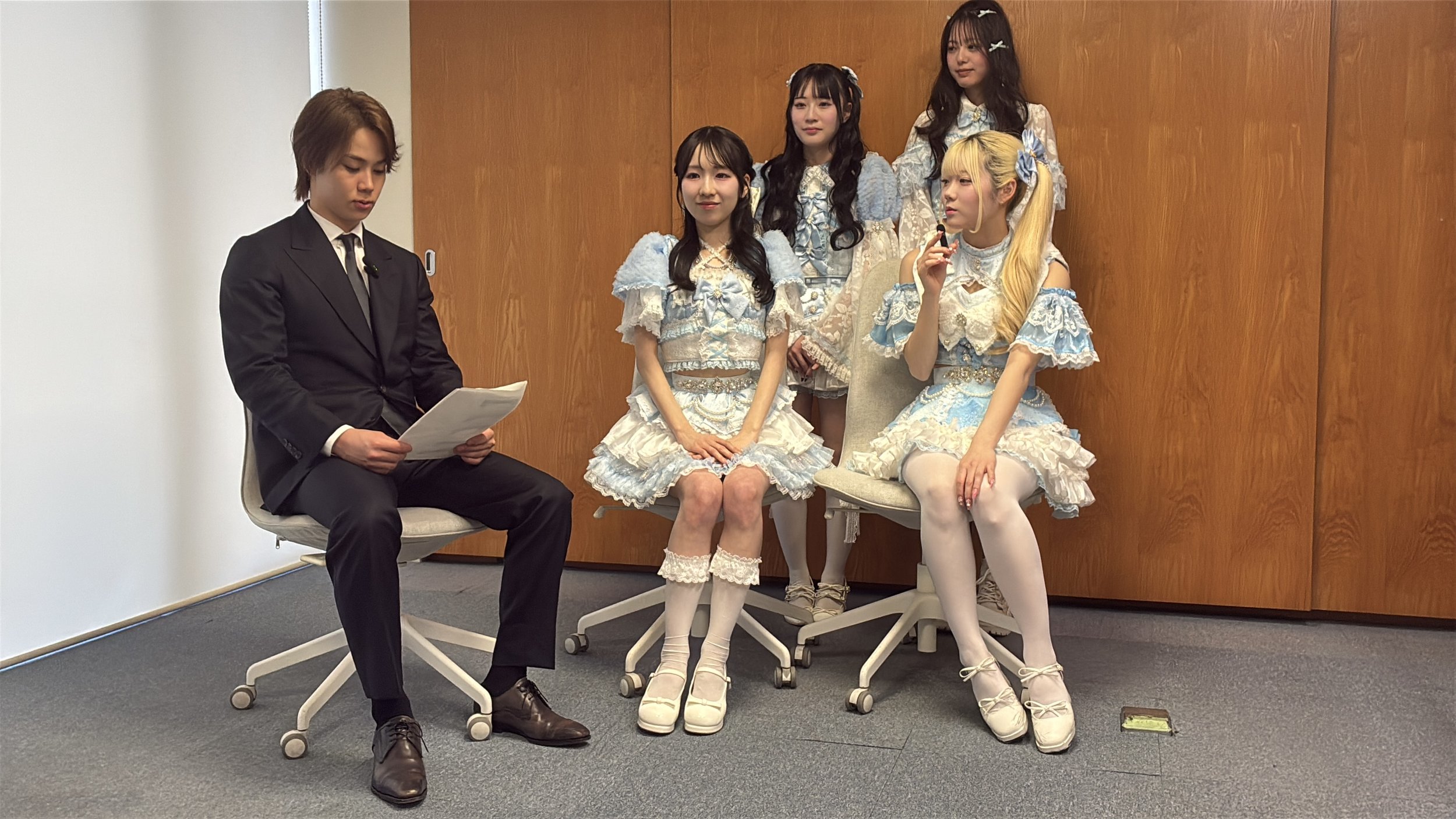
To explore this more directly, I had the opportunity to interview Japanese idols about their experiences as performers. I prepared questions about what being an idol means to them, how they prepare for performances, the role of fans, their personal aesthetics, and the ways they think Japanese culture influences idol performances.

Being in the room with the idols made the experience very different from researching idol culture through books or the internet. They were friendly and approachable, and I was able to see how their personalities came through even outside of a performance. At the same time, seeing them in their uniforms made me more aware of the connection between their everyday presence and the carefully constructed image of an idol. I found myself thinking about how much of what we understand as beauty comes from clothing, styling, posture, expression, and the way someone presents themselves to other people.
Their answers also made me think more deeply about the relationship between being an idol and being an individual. When I asked about their personal aesthetics and what being an idol means to them, their responses showed that performing is connected to their own personalities and experiences. I was especially interested in the way they talked about their fans and the energy they receive from an audience. It made me realize that an idol's identity is created through a relationship between the performer and the people watching them.
I also asked whether they feel like a different version of themselves when they are on stage. This question helped me think about performance as a form of transformation. An idol may still be the same person, but costumes, makeup, choreography, music, and the presence of an audience can bring out another aspect of their identity. Watching and speaking with them in person helped me understand this difference in a way that photographs and videos cannot.
These questions connected closely with my research into the history of Japanese beauty. I have been exploring how ideas about appearance and aesthetics in Japan have changed over time, while also considering what elements have remained. Interviewing contemporary idols gave me the opportunity to think about these ideas through the experiences of people who actively participate in Japan's modern beauty and entertainment culture.
I was particularly interested in asking whether they felt that Japanese culture influences idol performances today. This connected my research on contemporary idols with my interest in older Japanese traditions of beauty and aesthetics. Although modern idol culture is very different from historical forms of Japanese beauty, the interview made me consider how ideas about presentation, appearance, movement, and creating a particular image continue to evolve.
What made the experience especially memorable was meeting the idols while they were wearing their uniforms and being able to speak with them directly. There was something unique about being close enough to observe the small details of their expressions, clothing, and personalities while also knowing that these same people perform for audiences on a much larger stage.
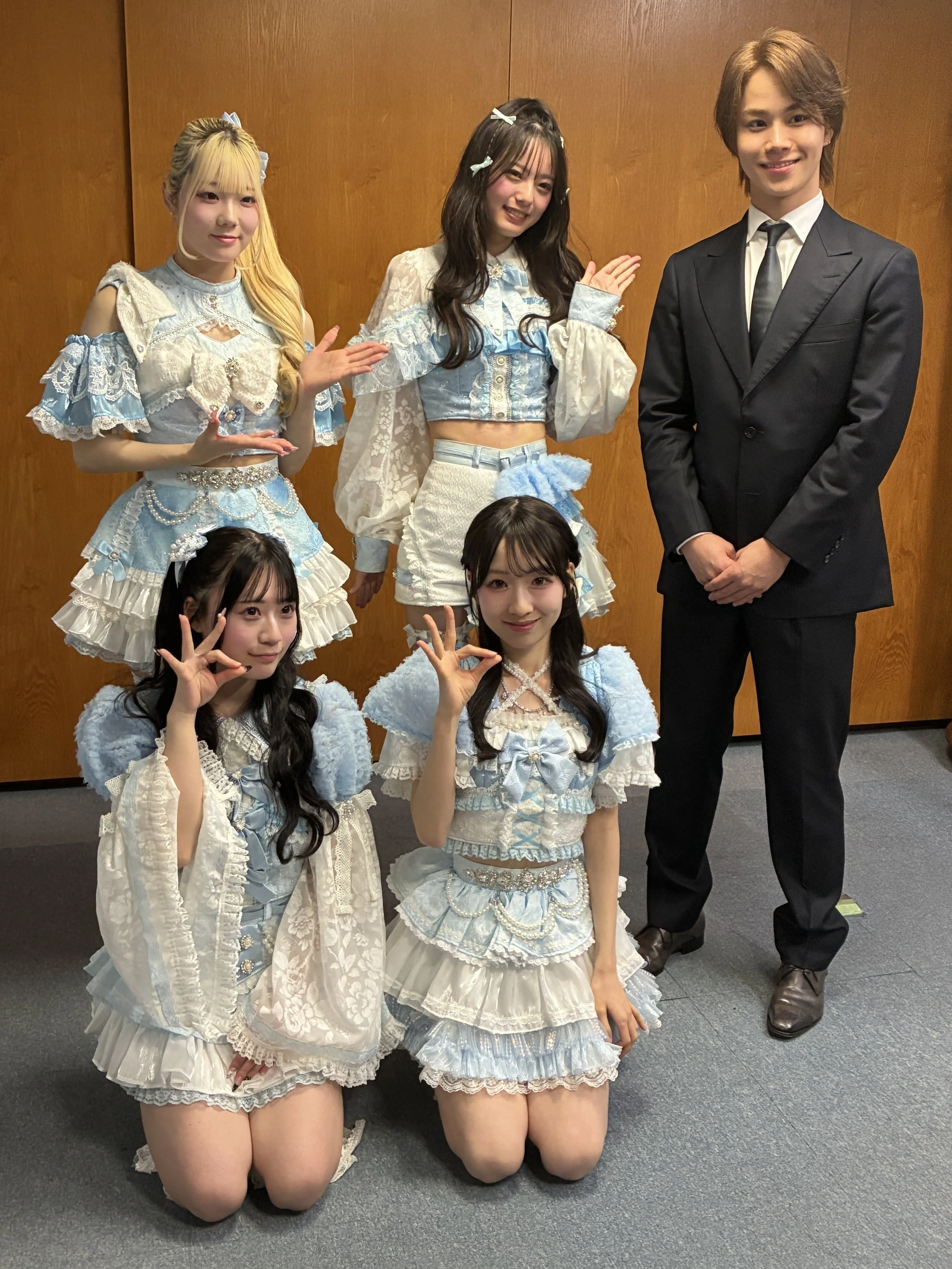
I am extremely grateful that I was able to have this experience. The interview gave me a perspective on Japanese idol culture that I could not have gained from research alone. It also helped me see my independent research on Japanese beauty through the experiences of real people working within contemporary Japanese culture.